Faceback: The SVG Font with a Bold, Brushed Personality
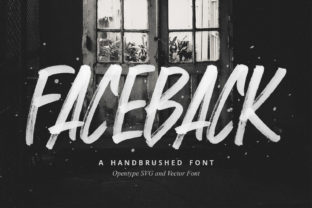
When a design needs to feel raw, energetic, and undeniably authentic, the typeface you choose does more than just spell out words. It sets the entire mood. This is where a premium font like Faceback comes in. It’s not just a collection of letters; it’s a design asset with a distinct texture and presence. Faceback is a unique SVG font that captures the nuanced detail of hand-brushed strokes, delivering a level of sharp accuracy that’s rare in textured typefaces. If you’ve ever struggled to find a font that feels both gritty and refined, this might be the solution for your next project.
More Than Just Letters: The Visual Soul of Faceback
At its core, Faceback is a display font designed to be the star of the show. The SVG (Scalable Vector Graphics) format is key here. Unlike a standard OTF or TTF font which is made of clean, uniform vector paths, an SVG font can contain complex color data and texture within each glyph. Each letter in Faceback is a detailed raster image embedded in a vector container. This means you get the authentic, irregular texture of a real paintbrush or marker stroke, complete with subtle variations in opacity and tone, all while being able to scale the font without losing that crucial detail. The result is a creative font that feels handmade yet professional.
The personality of this typeface is urban, confident, and slightly rebellious. It doesn’t whisper; it speaks with conviction. The brushed texture gives it a human touch, preventing it from feeling sterile or overly digital. This makes it an excellent choice for projects that need to convey energy, craftsmanship, or street-level authenticity. It’s a far cry from a clean sans serif font or a traditional serif font, occupying a unique space alongside script fonts and handwritten fonts but with a harder, more industrial edge.
Where Faceback Makes an Impact: Practical Applications
Understanding a font's strengths is key to using it effectively. Faceback isn’t the right choice for body text in a novel, but it excels in contexts where grabbing attention and establishing a mood are the primary goals. Here’s where this font shines.
Logo Design and Brand Identity: For brands in the apparel, fitness, music, outdoor adventure, or craft beverage industries, Faceback can become the cornerstone of a powerful brand identity. It instantly communicates a brand that is hands-on, bold, and not afraid to stand out. Used for a wordmark or a bold headline in brand guidelines, it sets a distinct tone that’s hard to ignore.
Marketing and Advertising: Need a headline that stops the scroll on social media? Faceback is built for it. It’s perfect for social media graphics, promotional posters, and digital ad banners. The texture adds visual interest that flat fonts can’t match, making your message more engaging. Think about event posters for concerts or festivals, or sale announcements that need to feel urgent and impactful.
Packaging and Editorial Design: On a shelf, product packaging needs to tell a story quickly. Faceback is ideal for labels on craft products, artisanal goods, or anything targeting a younger, style-conscious demographic. It works wonderfully for product names or key features on packaging design. In editorial design, like magazine covers or feature article headlines, it can inject a dose of raw energy into an otherwise polished layout.
Design Considerations and Smart Pairings
Using a display font like Faceback effectively requires a bit of strategy. Its strong personality means it can easily overwhelm a design if not handled with care. A few practical tips:
- Pairing for Balance: The key to a successful font pairing is contrast. Let Faceback handle the headlines and pair it with a clean, highly readable font for body copy. A neutral sans serif font like Helvetica, Open Sans, or Montserrat works beautifully. This creates a clear visual hierarchy, where Faceback draws the eye and the supporting font delivers the detailed information comfortably.
- Readability First: While the texture is its main appeal, always test for readability. Use it at larger sizes where the intricate details of the brush strokes can be appreciated. Avoid using it for long sentences or small text, as the texture can become visually noisy and hinder reading speed.
- Color and Background: Because it’s an SVG font, you can often change the color of the text, but the underlying texture will remain. Test it on various backgrounds. It often looks striking on solid, contrasting colors. A busy background might clash with the font’s own texture, so consider using a solid color overlay or a simple backdrop to let the font do its work.
Working with a Color SVG Font: What You Need to Know
Before you download, it’s crucial to understand the technical side. As noted, Faceback is an Opentype-SVG color font. This format is a game-changer for textured type, but it comes with specific compatibility requirements.
- Software Compatibility: This font works seamlessly in modern versions of Adobe Photoshop, Adobe Illustrator, Silhouette Studio (Designer Edition and above), and Inkscape. These applications can interpret the embedded color and texture data.
- Cricut Limitation: It’s important to note that the OTF and TTF files included are not compatible with Cricut Design Space. If you are a crafter primarily using a Cricut machine, this font will not perform as intended. Always check your software’s support for color fonts before purchasing.
- Licensing for Projects: Like most commercial fonts, Faceback comes with a license that dictates its use. Whether you’re a freelancer, a small business owner, or a hobbyist selling products, review the license agreement. Typically, a standard license covers most commercial uses, but if you plan to embed the font in a software application or use it on a very high-volume product, you may need an extended license.
Choosing the right design assets is about matching the tool to the task. Faceback is a specialized instrument. It’s the bold headline on a startup’s first poster, the gritty logo for a new band, the eye-catching title on a limited-edition product. It offers a way to incorporate the authentic, imperfect beauty of handcrafted art into digital and print projects with precision. When your project calls for that specific blend of urban edge and textured detail, exploring what Faceback offers could be the step that elevates your work from good to unforgettable.